
Back To Resources
CSRD

Where to Start with CSRD and Double Materiality Readiness

Key preparation areas for building a stronger, more traceable and manageable starting point for corporate reporting.

For CSRD readiness, the technical priority is to align materiality logic with data ownership and evidence design from the start. Data collected before scope and ESRS topic mapping are clear will be reworked during the reporting cycle.

Most organisations gather stakeholder input but fail to link decision criteria to data fields and documentation flows. This brief clarifies which technical steps make preparation manageable and defensible.

Expert briefReadiness and data discipline
Where to Start with CSRD and Double Materiality Readiness

Why This Topic Matters

Corporate sustainability reporting is not a drafting exercise alone. It requires governance clarity, defined data ownership, topic prioritisation, stakeholder perspective, and an evidence structure that can be reviewed and defended.

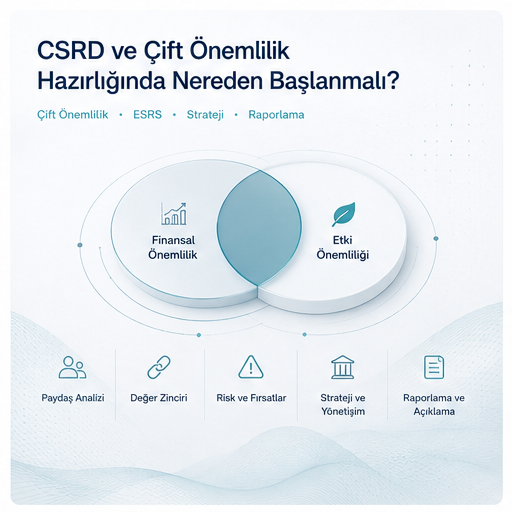
Double materiality brings financial materiality and impact materiality into the same decision frame. When these are treated separately—or reduced to a template topic list—the reporting process becomes difficult to manage and harder to explain internally.

Who It Concerns

This topic is relevant for organisations preparing for CSRD-aligned disclosure, especially where sustainability, finance, risk, legal, and operations need a shared working model.

  • Sustainability and ESG teams leading topic assessment and reporting preparation
  • Finance and controlling functions involved in financial materiality and data consolidation
  • Legal and compliance teams reviewing disclosure boundaries and governance
  • Operations and business units responsible for site-level data and evidence

Critical Data and Process Areas

A workable starting point typically combines scope definition, topic logic, ownership mapping, and evidence design—not a one-off workshop summary.

  • Reporting boundary, entity scope, and stakeholder engagement logic
  • Topic universe, impact pathways, and financial linkage where relevant
  • Data ownership, collection rhythm, and quality controls by topic
  • Evidence links, review steps, and internal sign-off discipline
  • Prioritisation criteria that can be explained to management and auditors

Common Mistakes

  • Copying a generic topic list without company-specific assessment
  • Running materiality workshops without assigning data owners
  • Leaving evidence structure and document control until late in the cycle
  • Treating financial and impact materiality as separate tracks with no reconciliation
  • Building narrative before the underlying data and governance model is clear

ANKA's Approach

ANKA typically structures CSRD readiness around a current-state review, a governed topic pool, stakeholder and data mapping, and a prioritised action plan that teams can operate—not a one-off slide deck.

The focus is on making topic decisions traceable, assigning clear responsibilities, and aligning reporting preparation with how data is actually collected and reviewed.

This work helps organisations assess readiness, define priority data areas, and establish a more traceable working discipline for corporate reporting preparation.