
Back To Resources
Product

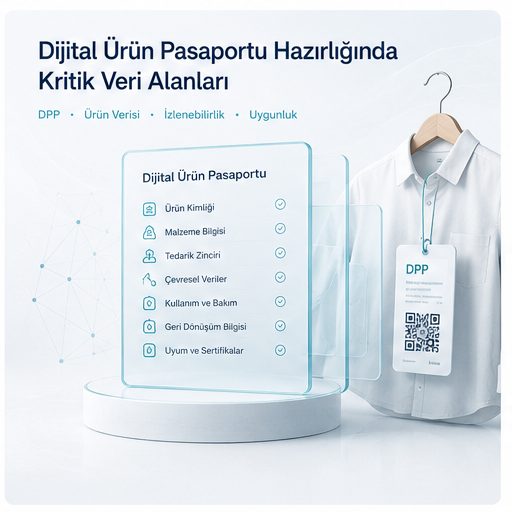
Critical Data Areas in Digital Product Passport Readiness

Core records, traceability and declaration areas to consider when strengthening product-level data management.

Digital Product Passport readiness depends on linked records for product identity, bill of materials, and compliance data—not static file repositories. A field list alone cannot support update control and evidence traceability.

Teams frequently define data domains without assigning ownership, validation, or sharing rules. This brief prioritises which data structures should be designed first.

Expert briefReadiness and data discipline
Critical Data Areas in Digital Product Passport Readiness

Why This Topic Matters

Digital Product Passport readiness is a product-level data discipline. It depends on consistent product identity, material structure, technical attributes, compliance declarations, traceability records, and—where relevant—circularity-related information such as repair, reuse, or end-of-life handling.

Treating the passport as a surface layer without underlying data governance creates rework and weakens credibility with customers and partners.

Who It Concerns

  • Product management and R&D teams defining product records and variants
  • Quality, compliance, and regulatory affairs teams managing declarations
  • Procurement and supply teams responsible for material and supplier data
  • IT and data teams supporting master data, integrations, and access control

Critical Data and Process Areas

  • Product identity, SKU logic, and variant relationships
  • Bill of materials, material composition, and sourcing information
  • Technical specifications and performance attributes required for disclosure
  • Compliance and declaration data linked to standards and verification status
  • Traceability records and supplier documentation with review discipline
  • Circularity-related data where repair, maintenance, or reuse information applies

Common Mistakes

  • Equating DPP readiness with a QR code or product page alone
  • Collecting fields without defining owners, update rules, or evidence links
  • Mixing marketing claims with governed compliance data in the same record
  • Ignoring variant logic and publishing incomplete product family coverage
  • Starting digital sharing scenarios before the underlying data model is stable

ANKA's Approach

ANKA approaches DPP readiness through a product data model, a clear split between mandatory and voluntary fields, defined data owners, evidence links, and a practical digital preparation path aligned with how teams already manage product information.

The focus is on governed records and traceability—not isolated document folders.

This work helps organisations assess readiness, define priority data areas, and establish a more traceable working discipline for product-level passport preparation.