
Back To Resources
Digital Workflow

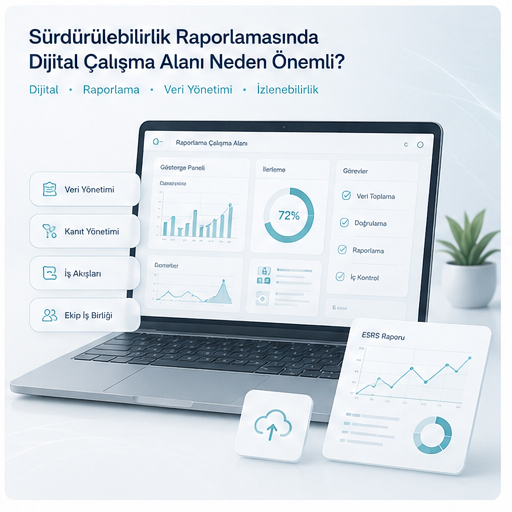
Why a Digital Workspace Matters in Sustainability Reporting

The role of digital support in improving progress tracking, visibility, evidence management and overall work quality.

In sustainability reporting, the main technical risk is managing data and evidence through unstructured email and file sharing. Without revision traceability and clear ownership, cross-functional projects lose control.

A digital workspace is not a software promise—it is a process architecture that makes collection, review, and delivery visible. This brief summarises which building blocks to establish first.

Expert briefReadiness and data discipline
Why a Digital Workspace Matters in Sustainability Reporting

Why This Topic Matters

Sustainability reporting managed through email threads and scattered spreadsheets creates version risk, weak accountability, and slow evidence retrieval—especially when multiple functions contribute to the same disclosure cycle.

A structured workspace supports task tracking, evidence storage, responsibility mapping, version control, and management visibility without replacing professional judgement.

Who It Concerns

  • Sustainability and reporting teams coordinating multi-topic disclosure cycles
  • Finance and controlling contributors providing consolidated figures and review
  • Legal and compliance reviewers checking statements and supporting evidence
  • Programme and transformation leads needing progress visibility across workstreams

Critical Data and Process Areas

  • Task ownership, deadlines, and status tracking by topic or workstream
  • Evidence repository with links, review state, and access control
  • Responsibility matrix across entities, sites, and functions
  • Version control for data files, narratives, and review comments
  • Management dashboards for progress and open items—not only final reports
  • Repeatable reporting cycles with templates and quality checkpoints

Common Mistakes

  • Drafting the report first and collecting evidence afterwards
  • Storing files in personal drives without shared naming or review rules
  • No clear owner for data updates, evidence approval, or narrative sign-off
  • Adopting tools without aligning them to the actual reporting workflow
  • Expecting software to replace governance conversations and methodological decisions

ANKA's Approach

ANKA designs reporting workspaces around how data and evidence actually move: workspace structure, data and evidence flow, task and responsibility tracking, and reporting preparation checkpoints that teams can repeat each cycle.

Digital tools should strengthen the delivery model—consulting judgement and governance remain central.

This work helps organisations assess readiness, define priority data areas, and establish a more traceable working discipline for sustainability reporting delivery.