
Back To Resources
Supply Chain

How to Structure Supplier Data Collection for Scope 3

Practical approaches for making fragmented supplier data flows more organised, traceable and manageable.

The technical challenge in Scope 3 is turning supplier information into a repeatable data flow. One-off surveys without segmentation and quality controls do not produce sustainable inventory data.

Organisations start collection before definitions and evidence rules are agreed, which forces renegotiation every reporting cycle. This brief clarifies a prioritised supplier data structure.

Expert briefReadiness and data discipline
How to Structure Supplier Data Collection for Scope 3

Why This Topic Matters

Scope 3 work is as much about supplier communication and data quality management as it is about calculation. Without category prioritisation, clear data requests, and review discipline, supplier programmes become expensive and difficult to sustain.

Fragmented spreadsheets and one-off questionnaires rarely create data that finance, procurement, and sustainability can reuse with confidence.

Who It Concerns

  • Sustainability teams leading Scope 3 assessment and reporting preparation
  • Procurement and supplier relationship teams managing engagement and follow-up
  • Finance teams reviewing spend-based approaches and material categories
  • Data and analytics teams supporting consolidation and quality scoring

Critical Data and Process Areas

  • Category prioritisation based on materiality and data feasibility
  • Spend and activity data structures with clear definitions
  • Emission factor selection logic and documentation of assumptions
  • Supplier-specific data requests scaled to supplier segment and capability
  • Quality scoring, exception handling, and closure discipline
  • Calculation readiness checks before numbers enter management reporting

Common Mistakes

  • Requesting the same detailed data from all suppliers at once
  • Sending questionnaires without field definitions or examples
  • No follow-up rhythm, ownership, or escalation path for incomplete responses
  • Mixing supplier-specific data with generic factors without transparency
  • Treating collection as a one-off project rather than an ongoing data flow

ANKA's Approach

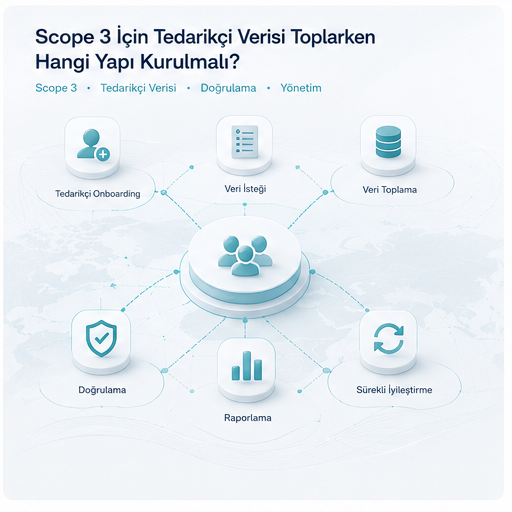
ANKA typically designs Scope 3 supplier programmes around prioritised supplier segmentation, simplified data requests, a defined follow-up rhythm, data quality controls, and calculation preparation that aligns with how procurement already works.

The objective is manageable engagement—not maximum form complexity on day one.

This work helps organisations assess readiness, define priority data areas, and establish a more traceable working discipline for Scope 3 supplier data collection.